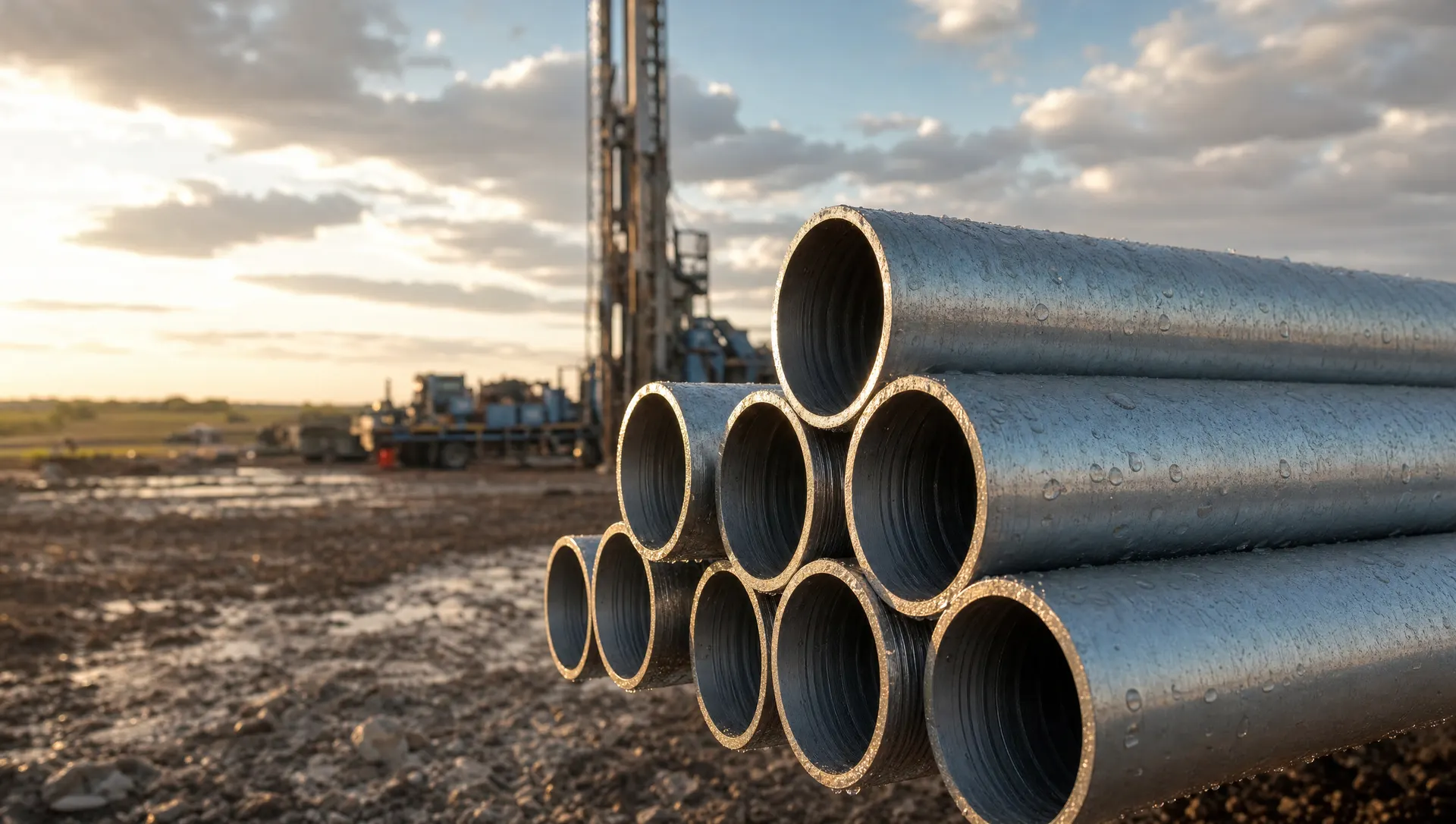
Well Plugging & Abandonment in West Plains, MO
Old wells don't go away on their own. A well that's been replaced by a new one, a hand-dug well left behind by a house that's long gone, or a well that finally ran dry for good doesn't stop being a hole into the ground just because nobody uses it anymore — and an open or poorly capped well is a hazard that sits there indefinitely until someone deals with it properly. West Plains Well Drilling handles well plugging and abandonment for properties throughout the West Plains area, sealing off wells the right way instead of leaving them as a problem for later.
What Well Plugging and Abandonment Involves
Properly abandoning a well is a specific process, not just tossing dirt down the hole:
- Assessment — checking the well's construction, depth, and condition to plan the plugging approach correctly
- Clearing the well — removing any pump, piping, or debris still in the well before sealing
- Sealing material placement — filling the well from the bottom up with an appropriate sealing material to prevent it from becoming a channel for surface water or contaminants to reach groundwater
- Surface finishing — completing the job at ground level so there's no depression, hazard, or exposed casing left behind
- Documentation — keeping records of the plugging work done, which matters for property records and future site work
Why Old Wells Need to Be Sealed, Not Just Capped
An old well left open, loosely capped, or just covered over is more than a fall hazard, though that alone is reason enough on a property with kids, livestock, or ATVs moving around. An improperly sealed well is a direct path connecting the surface to groundwater — exactly the kind of shortcut that lets surface contamination bypass the natural filtering that soil and rock normally provide. In Howell County's karst limestone and dolomite, groundwater moves fast and unpredictably through fractures once it's below the surface, so a contamination path at one old well can affect water quality well beyond that single property.
This comes up more often than people expect on older Howell County properties. A farm that's changed hands a few times may have a hand-dug well from decades back that nobody currently living there even knew about until it turned up during fencing work or a survey. A property that replaced its well years ago may still have the old one sitting there, capped with whatever was on hand at the time. Neither situation is unusual, and neither should be left as-is once it's identified.
Hand-Dug and Bored Wells on Older Properties
Modern rotary drilling is a fairly recent development compared to how long people have been settling this part of the Ozarks. A lot of older Howell County homesteads originally relied on hand-dug or bored wells — wider, shallower shafts, sometimes lined with stone or brick, dug long before a drill rig could reach deep bedrock economically. Many of those were abandoned in place once a modern drilled well took over, without ever being properly plugged.
These older wells deserve particular attention. Because they're typically shallow, they sit closer to the surface pathways that carry runoff and contamination, and their original construction — often just boards, stone, or a simple cap — rarely meets a modern sealing standard. A hand-dug well hidden under decades of overgrowth or a collapsed wooden cover is also a serious fall hazard that's easy to forget about until someone or something finds it the hard way. If you know or suspect one exists on your property, it's worth having it properly assessed and plugged rather than left as-is.
When to Call About Plugging a Well
Situations where this is worth taking care of:
- You've drilled or are drilling a new well and the old one is being taken out of service
- You've found an old well on your property — hand-dug, drilled, or otherwise — that isn't being used
- A well has gone permanently dry with no reasonable expectation of coming back
- You're selling property and want old, unused wells properly documented and sealed rather than left as an open question for the buyer
- A structure that had its own well has been removed and the well was never dealt with
What Affects the Cost of Plugging a Well
A few things typically shape the price:
- Well depth and diameter — deeper and larger-diameter wells need more sealing material and more time
- Condition and construction — a well with debris, a stuck pump, or unknown construction takes more assessment and clearing work than a straightforward, well-documented one
- Access — a wellhead that's easy to reach with equipment costs less to service than one that's overgrown, buried, or hard to get to
- Number of wells — properties sometimes have more than one old well needing attention, and handling them together is typically more efficient than separate trips
We assess the well before quoting, since a well with unknown history sometimes needs more investigation than one with clear records.
Common Questions
Is it actually necessary to plug an old well, or can I just leave it capped?
A cap alone isn't a permanent seal, and caps deteriorate, get removed, or were never adequate to begin with. Proper plugging fills the well with sealing material designed to prevent it from acting as a channel between the surface and groundwater — a cap just sits on top and doesn't address that risk.
I don't know how deep or old my well is. Can you still plug it?
Yes. Assessment is part of the process for exactly this reason. We evaluate what we can determine about the well's depth and construction before finalizing a plugging approach, even when there's no existing paperwork to go on.
Does plugging a well affect my property in any other way?
Properly plugged wells are documented, which is useful if you ever sell the property or do future site work nearby — a buyer or a future drilling crew both benefit from knowing an old well was sealed correctly rather than finding an undocumented one during excavation.
Get a Free Quote on Well Plugging
Old well on the property, or a well being retired as part of a new one going in — tell us what you've got and we'll get back to you fast with a straightforward plan and a free quote.
Need a Well in Howell County?
Tell us about your property and we'll get back fast with a free, no-pressure quote.